
round led mirror for bathroom
The significance of Granite Small Tools in Artisanal Craftsmanship Granite, a natural stone known for its durability and aesthetic appeal, has been a staple in construction and artistic endeavors since ancient times. The process of shaping and sculpting this robust material requires specialized tools, particularly the granite small tools. These diminutive yet powerful instruments play an instrumental role in transforming raw granite into intricate designs, sculptures, or functional objects. Small granite tools, often overlooked in the grand scheme of construction, are the backbone of precision work. They include chisels, hammers, rasps, grinders, and diamond-tipped drills, each with its unique purpose and application. A chisel, for instance, is used to cut and shape the granite, while a hammer provides the force needed to drive the chisel through the stone. Rasps are employed for smoothing out rough surfaces, and grinders assist in refining edges and corners. The diamond-tipped drills, on the other hand, are essential for creating precise holes in the hard granite surface. The art of working with granite is not just about brute strength; it demands finesse, patience, and an understanding of the stone's properties. The granite small tools facilitate this delicate balance, allowing artisans to bring their creative visions to life. The skilled hands that wield these tools know how to apply just the right pressure, angle, and speed to avoid cracking or damaging the stone. It's a dance of strength and subtlety, where the tool becomes an extension of the artisan's hand It's a dance of strength and subtlety, where the tool becomes an extension of the artisan's hand It's a dance of strength and subtlety, where the tool becomes an extension of the artisan's hand It's a dance of strength and subtlety, where the tool becomes an extension of the artisan's hand granite small tools . In addition to their functional importance, granite small tools hold cultural and historical significance. They symbolize the human quest for beauty and permanence, echoing the craftsmanship of our ancestors who built towering monuments and intricate sculptures using similar tools. Today, these tools are used not only in traditional stonemasonry but also in modern architecture, interior design, and even jewelry making, showcasing their versatility. Moreover, the use of granite small tools promotes sustainability. Unlike power tools, they operate manually, consuming no electricity or producing harmful emissions. This eco-friendly approach aligns with the growing demand for environmentally responsible practices in various industries. In conclusion, granite small tools are more than just implements; they are vessels of creativity, history, and sustainability. They embody the human spirit of innovation and the dedication to craft, making them indispensable in the world of granite artistry. Whether shaping a grand statue or carving a tiny piece of jewelry, these tools continue to shape our landscapes, both physical and cultural, leaving an indelible mark of human ingenuity.
about
round led mirror for bathroom
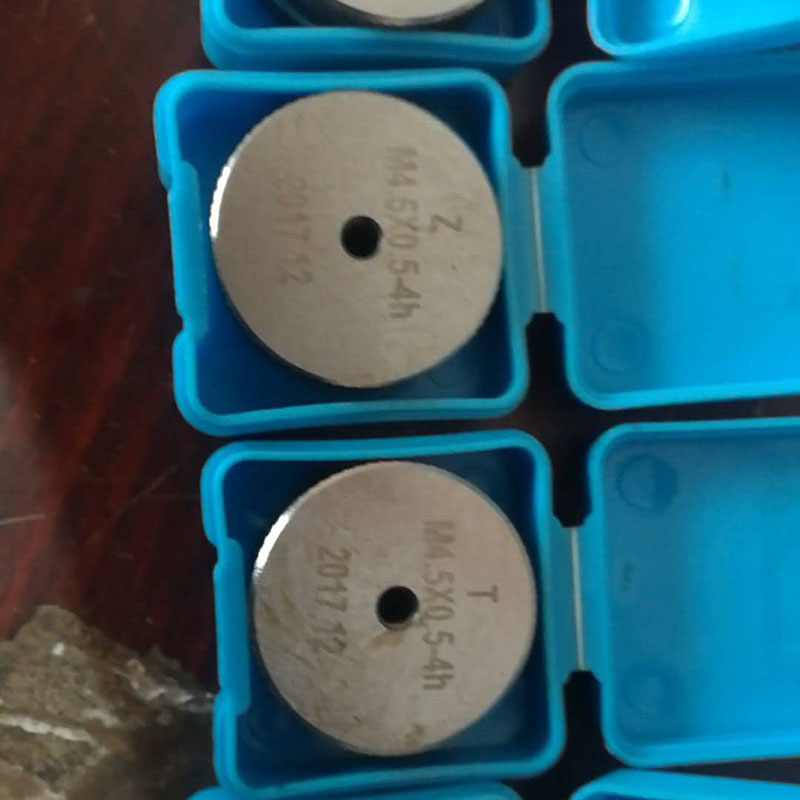
In the intricate world of industrial manufacturing, precision is not just a preference—it's a necessity. Every component, no matter how small, plays a crucial role in the functionality and reliability of the final product. Among the many tools that ensure this precision, plug gauges stand out as silent yet indispensable guardians of quality. They work behind the scenes, meticulously checking the dimensions of holes to make sure that every part fits together seamlessly. Without accurate plug gauges , the gears of modern manufacturing would quickly grind to a halt, resulting in costly errors and subpar products. Understanding these essential instruments, from their various types to the proper care and calibration of plain plug gauges , is key to maintaining the high - standards demanded by today's industries. Types of Plug Gauge Plug gauges are indispensable tools in manufacturing and quality control, available in diverse types to meet various measurement needs. Solid plug gauges , crafted from high - quality steel, are single - piece instruments ideal for measuring the diameter of relatively thin - walled holes with precision. Their simplicity and durability make them a reliable choice for consistent measurements. Adjustable plug gauges , on the other hand, offer flexibility. They can be fine - tuned to measure a range of hole diameters, making them suitable for production scenarios where hole sizes may vary slightly due to manufacturing tolerances. Threaded plug gauges are specifically designed for measuring the internal threads of holes. With a threaded end that matches the pitch and diameter of the threads under inspection, they ensure accurate measurement of thread parameters, which is crucial in industries like automotive and aerospace. Importance of Plain Plug Gauge Plain plug gauges , a fundamental type of plug gauge , play a vital role in quality control processes. Their significance lies in their ability to provide quick and accurate measurements of hole diameters. In manufacturing, ensuring that holes are within the specified diameter tolerance is essential for proper component assembly. For instance, in engine block production, the holes for pistons and valves must be of precise size, and plain plug gauges are used to check this. By detecting dimensional errors early in the production process, manufacturers can avoid costly rework and ensure the overall quality of the final product. Moreover, their ease of use makes them accessible to a wide range of operators on the production floor. Maintenance of Plain Plug Gauges Regular maintenance is key to preserving the accuracy and extending the lifespan of plain plug gauges . After each use, it is essential to clean the gauge thoroughly. Use a soft brush and a suitable cleaning solvent to remove debris, dirt, or metal shavings that may have adhered during measurement. Harsh chemicals and abrasive materials should be avoided as they can damage the gauge's surface and compromise its accuracy. Regular inspection for wear and damage is also necessary. Look for signs such as scratches, dents, or rounding of the measuring edges. If any damage is detected, the gauge should be taken out of service immediately and either repaired or replaced. Additionally, proper storage in a clean, dry environment, preferably in a protective case, helps prevent corrosion and physical damage. Calibration of Plain Plug Gauges Calibration of plain plug gauges is a critical process to ensure measurement accuracy. It involves comparing the gauge's measurements against a known standard, typically a gauge block of high accuracy, using appropriate measuring equipment. Any deviation from the standard is carefully noted, and adjustments are made to bring the gauge back within the acceptable tolerance range. Calibration should be performed at regular intervals as recommended by the manufacturer or in accordance with industry standards. Inaccurate calibration can lead to significant production issues, such as parts with incorrect hole sizes, which can affect assembly and product functionality. Regular calibration instills confidence in the measurement results and helps maintain high - quality production. Plain Plug Gauges FAQS How do different types of plug gauge impact the choice of plain plug gauge for a specific task? The selection of a plain plug gauge depends on the requirements of the task at hand. Different types of plug gauge have unique features. For example, if the task involves measuring a fixed - size hole in a non - complex manufacturing process where high precision is needed, a solid plug gauge might be sufficient. However, if there is a need to measure holes of varying diameters or in a process with some tolerance variations, an adjustable plug gauge could be a better choice. Understanding the capabilities and limitations of different types of plug gauge helps in determining when a plain plug gauge is the most appropriate tool for accurate hole diameter measurement. What are the common challenges in the maintenance of plain plug gauges and how can they be overcome? One common challenge in the maintenance of plain plug gauges is ensuring thorough cleaning without causing damage. Operators may accidentally use abrasive materials or harsh chemicals, which can scratch the surface and affect accuracy. To overcome this, proper training on the use of appropriate cleaning tools and solvents is essential. Another challenge is detecting subtle wear and damage during inspections. This can be addressed by using magnification tools or having experienced personnel conduct regular inspections. Additionally, ensuring proper storage conditions can be difficult in a busy manufacturing environment, but implementing a dedicated storage system with protective cases can help overcome this issue. Why is calibration frequency crucial for the accuracy of plain plug gauges? Over time, plain plug gauges can experience wear and environmental factors can also affect their accuracy. If the calibration frequency is too low, undetected inaccuracies can accumulate, leading to significant errors in hole diameter measurements. Regular calibration, as per the manufacturer's guidelines or industry standards, helps in identifying and rectifying these inaccuracies promptly. This ensures that the plain plug gauges consistently provide accurate measurements, which is vital for maintaining product quality and avoiding production losses due to incorrect measurements. Can plain plug gauges calibrated in - house match the accuracy of those calibrated by external laboratories? The accuracy of plain plug gauges calibrated in - house depends on several factors. If a company has the right equipment, calibrated to high standards, and trained and qualified personnel following strict calibration procedures, in - house calibration can achieve high accuracy. However, external laboratories often have more advanced equipment and expertise, and they are accredited, which ensures traceability of the calibration results. In some cases, especially for highly critical measurements or when regulatory compliance requires it, external calibration may be more reliable. But with proper investment in resources and training, in - house calibration can be a cost - effective and accurate option for many manufacturing operations. How do advancements in technology affect the types of plug gauge and the maintenance and calibration of plain plug gauges? Technological advancements have led to the development of more precise and efficient types of plug gauge . New materials and manufacturing techniques have improved the durability and accuracy of these gauges. For example, some modern plug gauges may incorporate digital sensors for more accurate and immediate readings. In terms of maintenance and calibration of plain plug gauges , new technologies such as automated calibration systems and advanced inspection tools using imaging and sensors have made the processes more efficient and accurate. These advancements reduce human error, speed up calibration times, and provide more detailed data on the condition of the gauges, enabling better maintenance decisions and ensuring higher - quality measurements in manufacturing.
-

High quality industrial productsagement

High quality industrial products
View Details -

Meet the diverse needs of customers

Meet the diverse needs of customers
View Details -

Strict quality control

Strict quality control
View Details -

Top raw materials

Top raw materials
View Details -

Trusted supplier

Trusted supplier
View Details
Our application

news and information
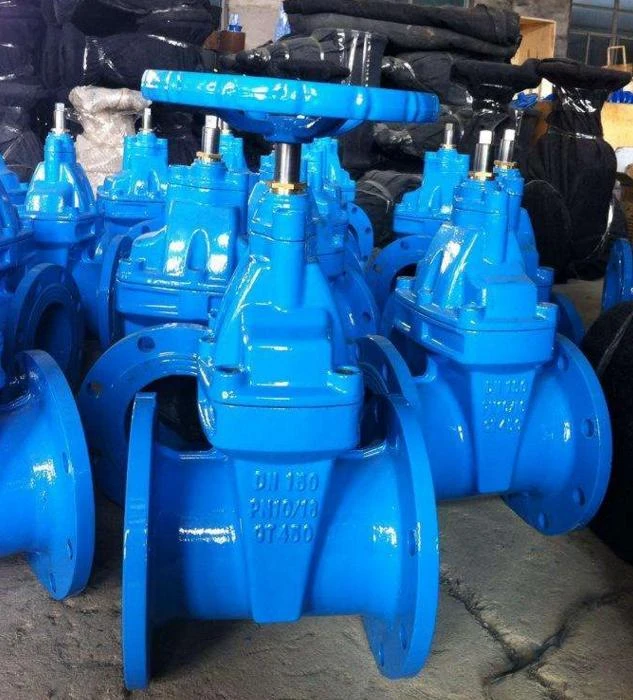
water shut off valve
Understanding Water Shut-Off Valves A Homeowner's Guide Water shut-off valves are an essential compo
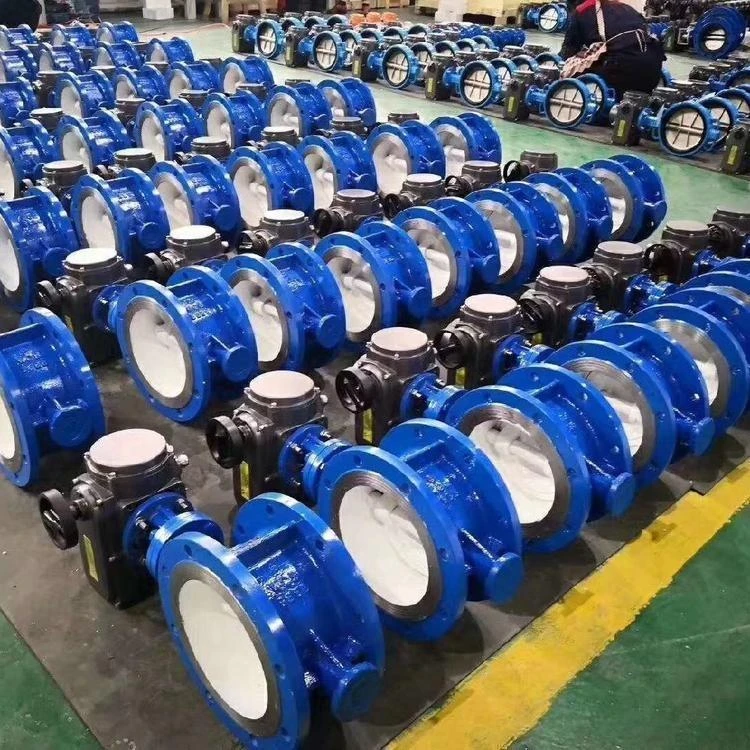
Welding Table Cast Iron Surface Finish Guide
As a wholesaler in the welding equipment industry, understanding the intricacies of welding table ca
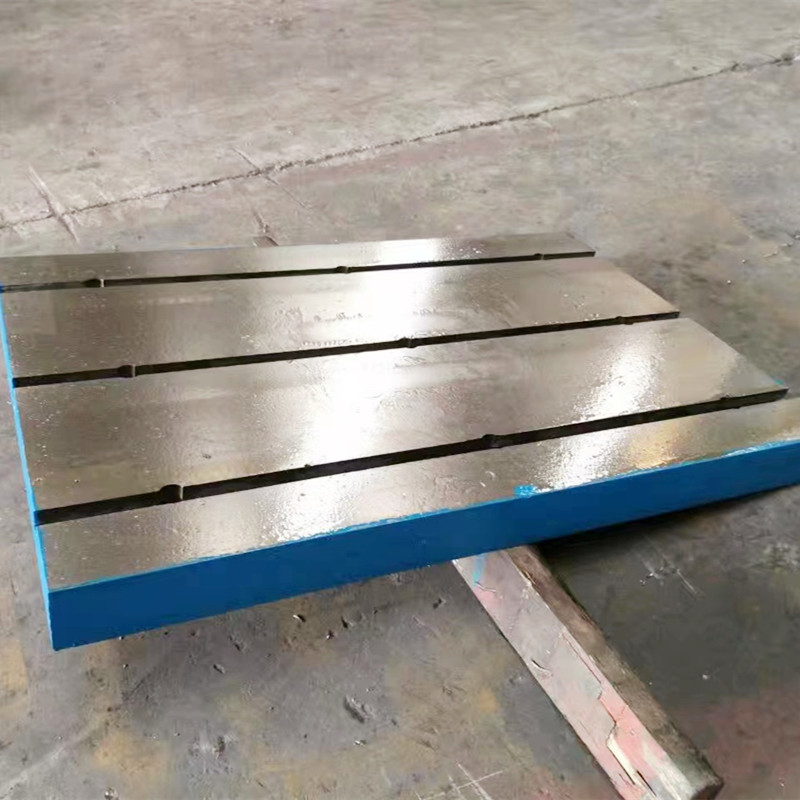
water main check valve
Understanding the Importance of Water Main Check Valves Water supply systems are the lifeblood of an
 English